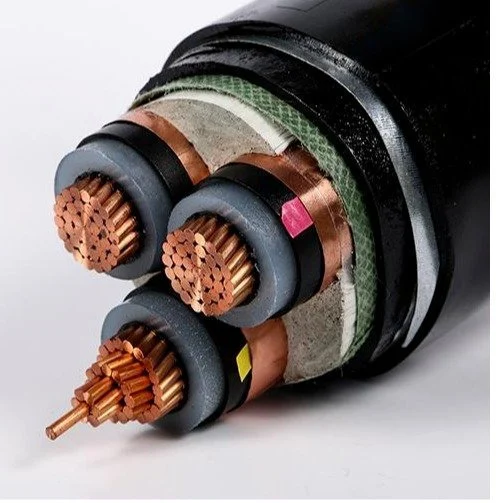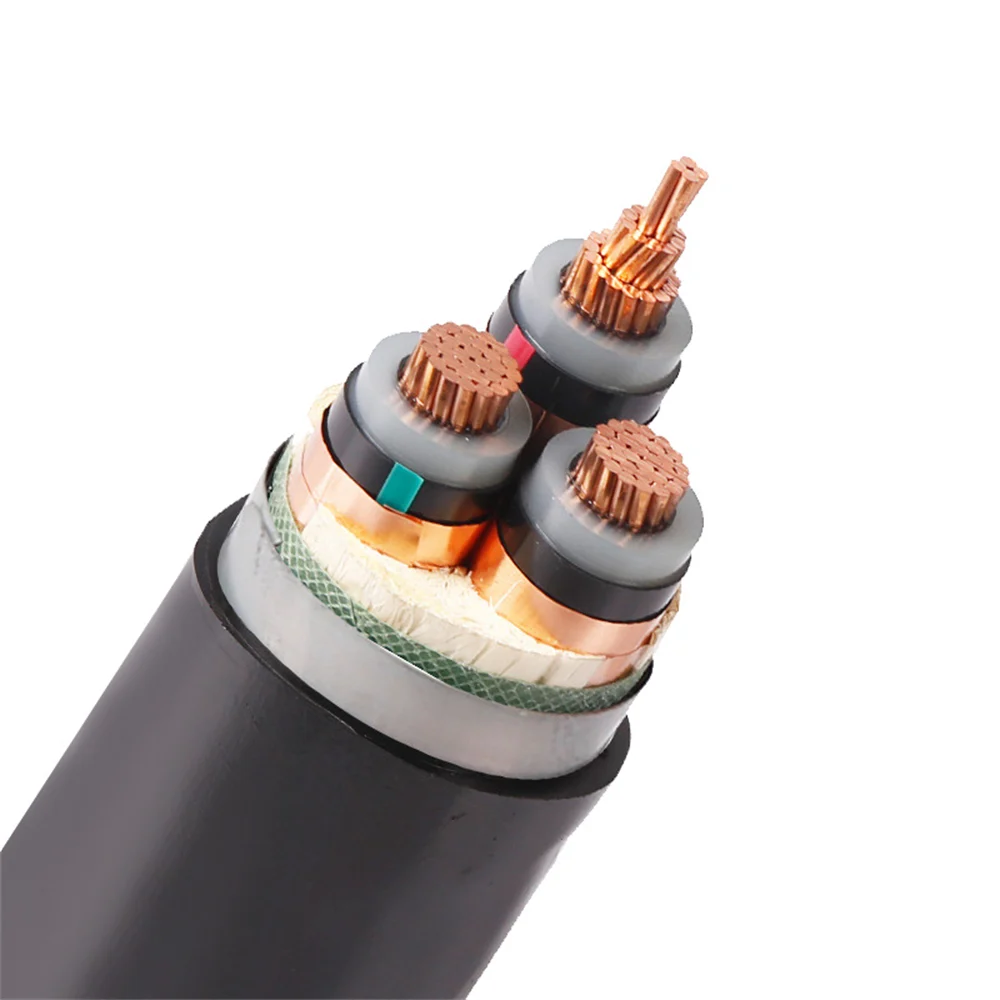





The core difference between armored cables and ordinary cables (usually referring to unarmored cables) lies in the fact that armored cables have an additional metallic protective layer between the insulation and the sheath. This “armor” brings about fundamental differences in performance and application.
To help you understand this clearly, I have summarized their differences as follows:
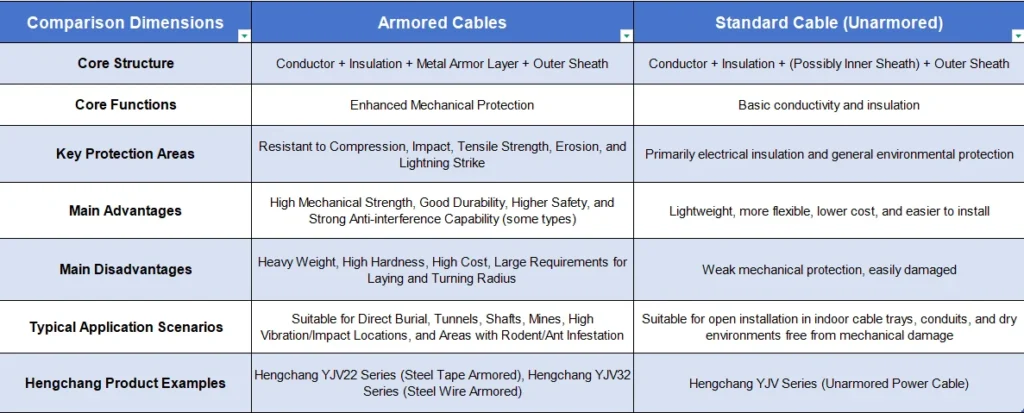
How to determine if a project requires armored cables?
You can make this decision by answering the following three key questions:
Are there any mechanical risks in the environment? Does the cable need to be directly buried (which carries soil pressure and excavation risks), or exposed to potential compression, impact, or vibration?
Are there any risks of biological damage? Are there rodents or ants in the laying area that might gnaw on the cable?
Is additional protection required? Is stronger lightning protection, interference resistance, or an additional physical barrier for critical lines needed?
If the answer to any of the above is “yes,” then choosing armored cables will be a safer, more durable option with potentially lower total lifespan costs.
Additional Value of Choosing Hengchang Armored Cables
Beyond basic protection differences, choosing Hengchang armored cables offers you:
One-stop solution: From standard steel tape/wire armor to special armor such as corrosion-resistant, flame-retardant (Class A), and fire-resistant, we provide a full range of products.
Professional selection support: Our technical team can provide precise armor type (steel tape or wire) and specification selection advice based on your specific laying drawings, environmental reports, and electrical requirements.
Quality and assurance: Products strictly adhere to national standards, and key indicators such as armor layer thickness and adhesion exceed industry standards, ensuring long-term reliable operation in harsh environments.
To provide you with more specific product recommendations, please inform us of the project your cables will be used for (e.g., chemical plant expansion, wind farm installation, urban utility tunnel), and the specific laying environment.